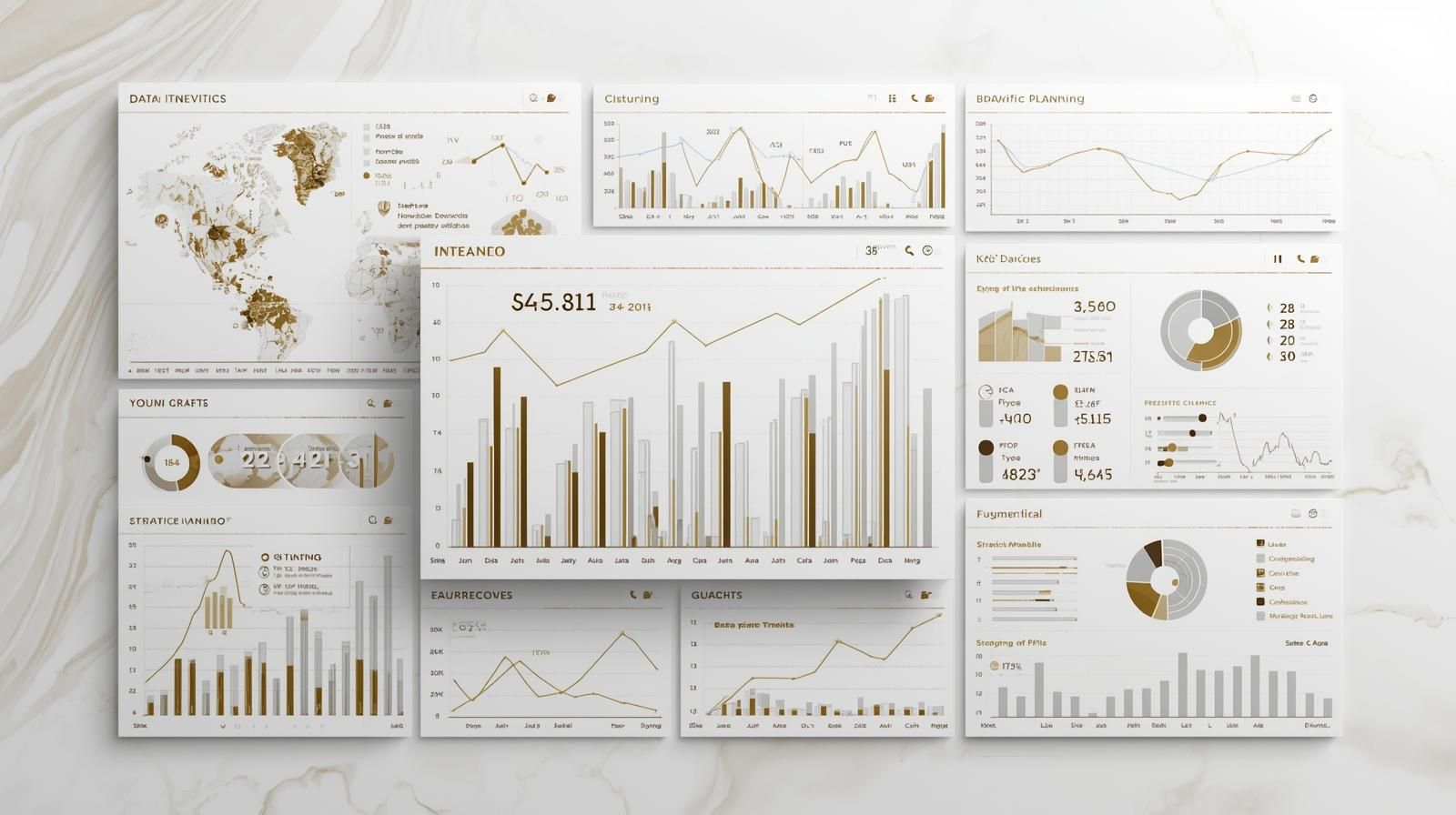
Many entrepreneurs collect data but rarely use it to guide real business decisions. Numbers sit in dashboards, reports are generated, yet the business continues to operate based on assumptions rather than insight.
Under Pillar 1: Business Clarity & Diagnosis, this article reframes data as a decision-making tool, not just a reporting function. Before scaling operations, improving revenue, or implementing systems, a business must first understand its current performance and hidden patterns.
In this guide, you will learn how to use data to:
• Measure business performance against meaningful goals
• Identify trends that reveal risks and opportunities
• Support smarter decisions about marketing, offers, and priorities
• Build a clearer picture of how your business is actually performing
When data is used correctly, it removes guesswork. It allows you to diagnose problems early, recognize growth signals faster, and make decisions based on evidence rather than intuition.
1. Use Analytics to Understand What Drives Growth
To grow your business using data, you must start by understanding where your opportunities—and problems—are hidden. Website analytics reveal how customers discover you, what pages they visit, where they drop off, and what content or products generate the highest conversions.
Data-driven decisions begin with tracking:
- Traffic sources
- User behavior flows
- Conversion paths
- Abandoned pages
- Retention metrics
When you monitor these metrics continuously, you eliminate guesswork and improve performance.
Google Analytics – Data-Driven Insights Guide
2. Segment Your Customers Using Data Insights
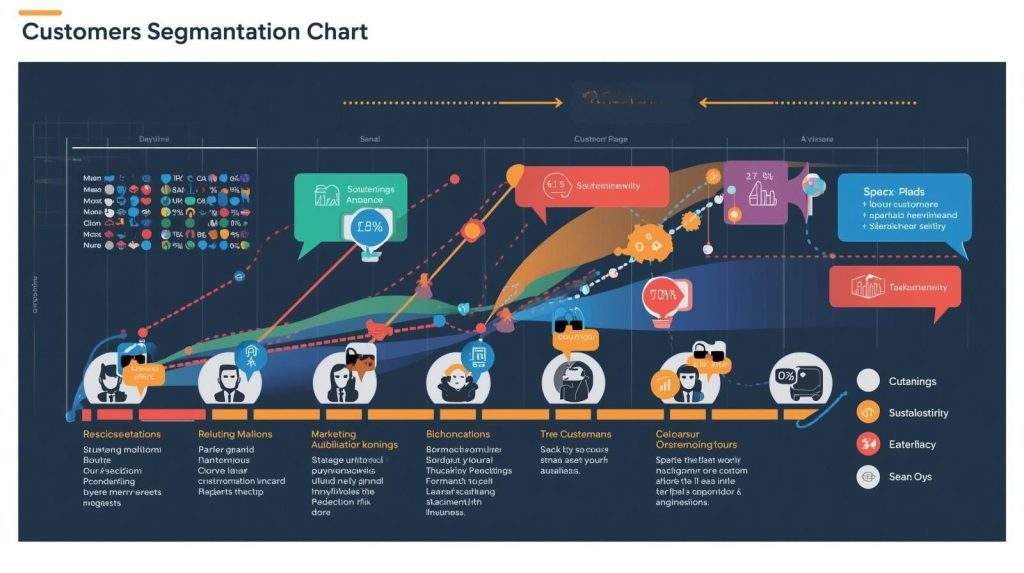
One of the most effective strategies to grow your business using data is to identify the specific customer groups driving the highest revenue. Customer segmentation helps you personalize your marketing, improve relevance, and increase conversions.
Use data insights to segment customers by:
- Demographics
- Purchase history
- Location
- Engagement level
- Lifetime value
- Behavior triggers
Customers respond better when your message fits their stage and expectations.
HubSpot – Customer Segmentation Guide
3. Apply Predictive Analytics to Forecast Results
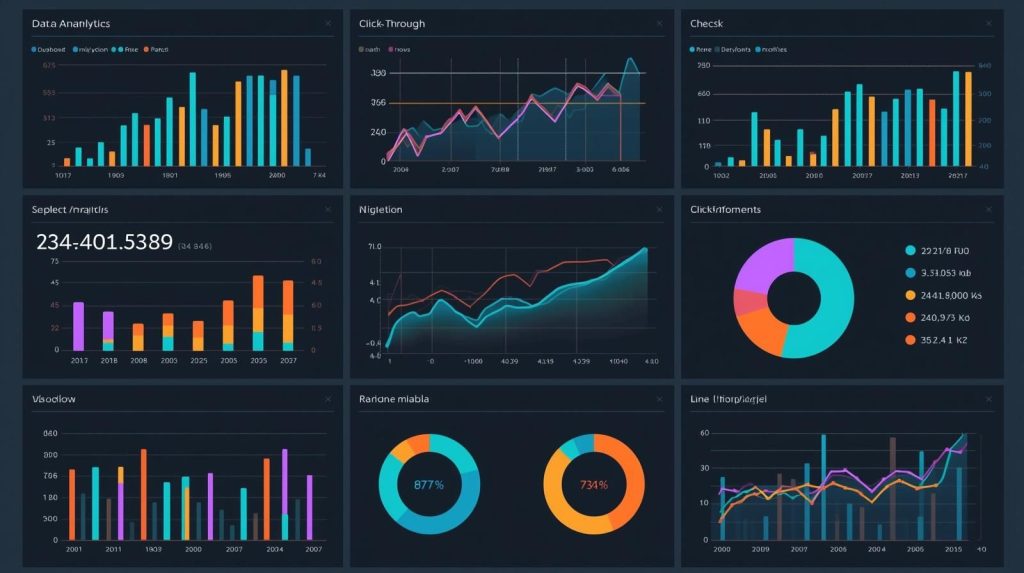
Predictive analytics helps you forecast future outcomes based on existing data. It is a powerful way to grow your business using data because it allows you to:
- Predict sales trends
- Identify seasonal dips
- Estimate product demand
- Detect customer churn
- Allocate resources accurately
Businesses that use predictive analytics outperform those that depend on assumptions or inconsistent projections.
IBM – Predictive Analytics Overview
4. Track Customer Behaviour Across the Entire Buyer Journey
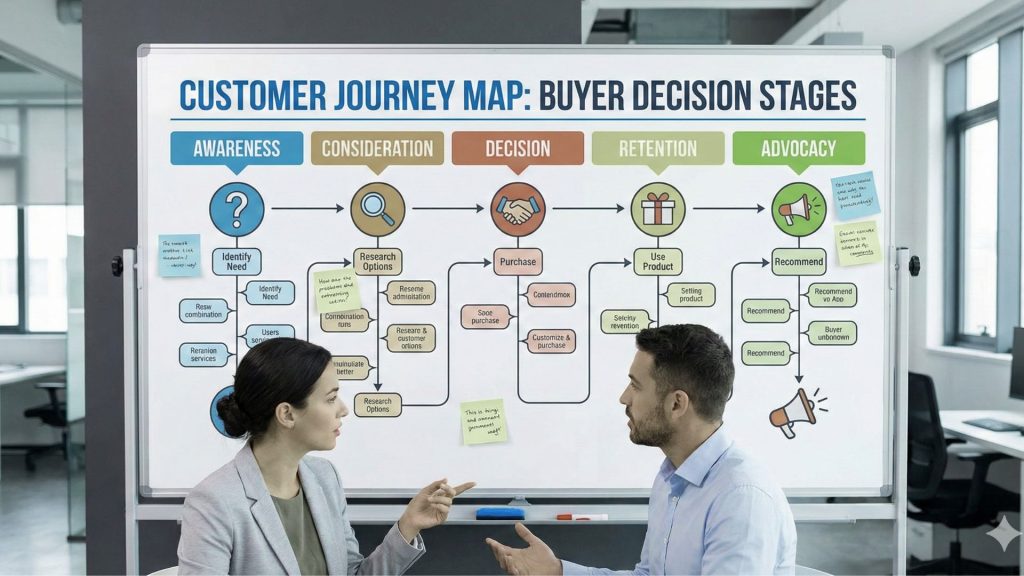
When you grow your business using data, the customer journey becomes a roadmap instead of a mystery. From initial contact to final purchase, customer behavior data reveals:
- What stops buyers from completing purchases
- Which messages attract clicks
- Which offers convert best
- What information customers want before buying
Mapping these insights allows you to optimize every customer interaction.
5. Build a Data-Driven Sales Funnel That Converts

A sales funnel is the backbone of predictable growth. When you design it using data insights rather than guesswork, every step becomes measurable.
A data-driven funnel includes:
- Lead source quality
- Cost per lead
- Conversion percentages
- Drop-off stages
- Revenue from each funnel step
Growing your business using data means you refine the funnel continuously until it becomes predictable and profitable.
6. Grow Your business using data to Improve Your Marketing ROI
Marketing becomes far more efficient when decisions are backed by measurable data. Instead of trying everything and hoping something works, data tells you:
- Which campaigns are delivering real ROI
- Which ads are wasting money
- Which audience responds best
- What message increases CTR
- What platforms deliver the highest engagement
Businesses grow faster when their marketing is powered by data insights instead of trial-and-error. Learning these tools will benefit you more if you dont make data collected redundant but apply it to your business. To apply these strategies, ask questions, and connect with entrepreneurs implementing similar systems, join our AI Business Forum where practical growth happens daily
AI tools every small business should use
7. Measure KPIs That Directly Influence Your Bottom Line

To grow your business using data effectively, you must track the right KPIs—not vanity metrics. Revenue-driving KPIs include:
- Conversion rate
- Customer acquisition cost
- Customer lifetime value
- Average order value
- Retention rate
- Profit margins
These metrics show you exactly where to double down and where to adjust.
Digital tools that drive business performance
Reliable execution depends on systems that learn and adjust over time. This principle is central to our approach to systems for execution.
Strategic use of data is most effective when combined with broader Pillar 1 thinking. Understanding patterns, trends, and business signals becomes powerful when your business foundation and strategic direction are already defined.
👉 Explore more Pillar 1 articles on Strategic Thinking & Business Foundations
FAQs: Grow Your Business Using Data
1. What does it mean to grow your business using data?
It means replacing assumptions with measurable insights. Every decision—from marketing to pricing—becomes guided by real, actionable data.
2. Can data really improve business growth?
Yes. Companies that prioritize data insights grow significantly faster than companies relying on intuition. Data exposes opportunities and areas for improvement.
3. What tools do I need to start using data?
Free tools like Google Analytics, Meta Insights, and Google Search Console are enough to begin. As you grow, you can integrate CRM and BI systems for deeper insights.
4. How often should I analyze my business data?
Weekly is ideal for marketing, monthly for financial KPIs, and quarterly for strategic decisions. Consistent tracking accelerates growth.
5. Do small businesses really need data analytics?
Absolutely. Small businesses benefit the most because data helps them compete with bigger brands without overspending.
6. How can data help reduce marketing expenses?
It identifies which channels work best, allowing you to stop wasting money on platforms that do not convert.
7. What is the biggest mistake businesses make with data?
Collecting data but not using it. Growth comes from acting on insights—not just storing them.
With clarity in place, the next step is execution plan and priority setting. Pillar 2 shows how to use AI and digital tools to act on these insights effectively, turning clarity into measurable action without guesswork.
💡 Continue to Pillar 2: Execution plan and priority setting
Conclusion
Business growth rarely fails because entrepreneurs lack effort. It fails because decisions are made without clarity.
The principles in this article reinforce a core idea within Pillar 1: Business Clarity & Diagnosis — successful businesses learn to interpret their data and act on real insights. When you understand what your numbers are telling you, your strategies become sharper, your risks become clearer, and your growth becomes intentional rather than accidental.
