
Practical Business Advice and Tips for Success in the Passive Income Niche
The idea of passive income attracts many entrepreneurs because it promises financial freedom and flexibility. However, many people enter the passive income space without fully understanding how these businesses actually work, which often leads to unrealistic expectations and disappointing results.
Under Pillar 1: Business Clarity & Diagnosis, this article helps you look beyond the hype and understand the real structure behind passive income businesses. Instead of focusing only on income promises, this guide explains the practical foundations required to build a sustainable passive income model.
In this article, you will learn how to:
• Understand what passive income really means in a business context
• Identify the core components that make passive income businesses sustainable
• Recognize common misconceptions that mislead new entrepreneurs
• Build a clearer perspective on how passive income opportunities actually generate value
By approaching the passive income niche with clarity and realistic expectations, you position yourself to build systems that generate income over time rather than chasing short-term opportunities.

Understanding the Passive Income Niche
Passive income refers to earnings generated with minimal effort or direct involvement. It offers the potential for financial freedom and flexibility, allowing individuals to earn money while focusing on other aspects of their lives.
Understanding the nuances of the passive income niche is crucial to effectively capitalize on its potential. By examining various sources and strategies, you can gain insights into the most lucrative avenues.
Researching and Identifying Profitable Opportunities
To successfully pursue passive income, it is essential to research and identify suitable opportunities.
This involves exploring various options such as rental properties, dividend stocks, affiliate marketing, online courses, or creating digital products.
By conducting thorough research, you can gain a deeper understanding of each opportunity’s potential for profitability.
Evaluating Market Demand and Competition
While identifying potential opportunities is important, evaluating market demand and competition is equally crucial. Understanding the level of demand for a particular niche or product allows you to position yourself strategically.
Additionally, analyzing the competition within your chosen niche helps you identify areas where you can add value or differentiate yourself from others in the market.

Section 2: Building a Strong Foundation for Passive Income Success
In this section, we will discuss the steps to build a strong foundation for passive income success. By setting clear goals and objectives, developing a solid business plan, and creating a sustainable and scalable business model, you will be on your way to achieving long-term passive income success.

Setting Clear Goals and Objectives
To embark on a successful passive income venture, it is crucial to set clear goals and objectives.
These goals act as a roadmap, guiding your actions and decisions throughout the process.
Define what you want to achieve with your passive income streams, whether it’s financial independence, extra income for retirement, or funding for a specific goal. By having a clear vision, you can focus your efforts and stay motivated.

Developing a Solid Business Plan
A well-crafted business plan is essential for any passive income venture. It serves as a blueprint that outlines your strategies, target audience, marketing tactics, revenue streams, and financial projections.
Your business plan should align with your goals and provide a clear roadmap for implementation.
By conducting thorough market research and analyzing competition, you can ensure that your plan is grounded in reality and sets you up for success.

Creating a Sustainable and Scalable Business Model
For passive income to be truly successful, it is important to develop a sustainable and scalable business model.
This involves identifying opportunities that can generate ongoing revenue streams with minimal effort. Consider leveraging technology or automation to streamline processes and maximize efficiency.
Additionally, explore ways to scale your business by diversifying income sources or expanding into new markets.
Section 3: Implementing Effective Marketing Strategies
In this section, we will explore the importance of implementing effective marketing strategies to promote your passive income venture.
By utilizing digital marketing techniques, building a strong online presence through content marketing and SEO, and leveraging social media platforms, you can effectively reach and engage your target audience.

Utilizing Digital Marketing Techniques
Digital marketing is a powerful tool for reaching your target audience and driving traffic to your passive income streams.
By leveraging techniques such as search engine optimization (SEO), pay-per-click advertising (PPC), email marketing, and content creation, you can increase your online visibility and attract potential customers.
Focus on identifying the most effective channels for your specific niche and allocate resources accordingly.
Building a Strong Online Presence through Content Marketing and SEO
Content marketing and search engine optimization (SEO) play vital roles in building a strong online presence for your passive income venture.
Creating high-quality, valuable content that addresses the needs and interests of your target audience not only establishes you as an authority but also helps improve your search engine rankings.
By optimizing your website and content for relevant keywords, you can increase organic traffic and attract qualified leads.

Leveraging Social Media Platforms
Social media platforms offer excellent opportunities to promote your passive income products or services. With billions of active users worldwide, these platforms provide a vast audience to engage with and showcase your offerings.
Develop a cohesive social media strategy by identifying the platforms where your target audience is most active and create compelling content that resonates with them.
Use social media to build relationships, share valuable insights, and drive traffic to your passive income streams.

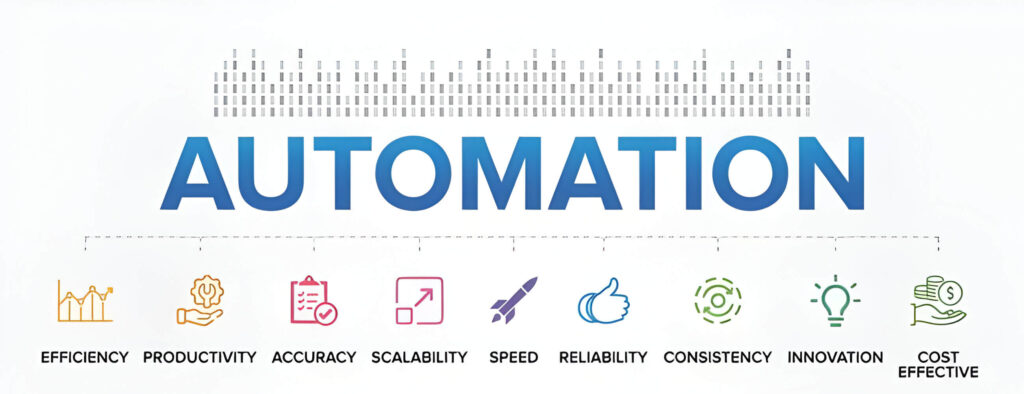
Section 4: Automating Processes for Efficiency and Scalability
In this section, we will discuss the importance of automating processes for efficiency and scalability in your passive income venture.
By identifying tasks that can be automated, implementing tools and software to streamline operations, and outsourcing non-core activities, you can save time, resources, and focus on revenue-generating tasks.
Identifying Tasks that Can be Automated
To optimize your passive income venture, it is crucial to identify tasks that can be automated. Look for repetitive, time-consuming activities that don’t require personal attention.
These can include email marketing campaigns, social media scheduling, customer support, or data analysis.
By automating these tasks using tools or software, you can save valuable time and allocate resources more effectively.
Implementing Tools and Software to Streamline Operations
Streamlining operations is essential for the efficiency and scalability of your passive income venture.
Implementing tools and software can help automate various processes, such as project management, customer relationship management (CRM), accounting, or inventory management.
Choose tools that align with your specific business needs and integrate well with your existing systems. By leveraging technology, you can streamline operations, reduce manual errors, and improve overall productivity.

Outsourcing Non-Core Activities
Outsourcing non-core activities is a strategic move to focus on revenue-generating tasks.
Identify tasks that are necessary but do not directly contribute to revenue generation or require specialized expertise. These can include administrative tasks, graphic design, content creation, or bookkeeping.
By outsourcing these activities to freelancers or virtual assistants, you free up valuable time and energy to concentrate on core business activities that drive income and growth.

Section 5: Diversifying Passive Income Streams for Long-Term Success
In this section, we will delve into the importance of diversifying your passive income streams for long-term success.
By exploring different passive income opportunities, creating multiple streams of income within the passive income niche, and balancing diversification with maintaining focus and expertise, you can reduce risk and maximize your earning potential.

Exploring Different Passive Income Opportunities
To mitigate risk and increase your chances of long-term success, it is crucial to explore different passive income opportunities.
Research and identify various avenues such as real estate investments, dividend stocks, peer-to-peer lending, online businesses, or royalties from intellectual property.
Diversifying your income sources allows you to tap into multiple revenue streams, minimizing the impact of any single source experiencing fluctuations or downturns.
Creating Multiple Streams of Income within the Passive Income Niche
Creating multiple streams of income within the passive income niche is a key strategy for long-term success. Rather than relying on a single source, consider developing several income streams that complement each other.
For example, if you have a successful blog, you can monetize it through affiliate marketing, sponsored content, digital products, or online courses.
By diversifying your income within the niche, you can leverage different opportunities and increase your overall earning potential.
Balancing Diversification with Maintaining Focus and Expertise
While diversification is important, it is crucial to strike a balance between diversifying your passive income streams and maintaining focus and expertise.
Avoid spreading yourself too thin by pursuing too many unrelated opportunities. Focus on areas where you have expertise or genuine interest. This way, you can capitalize on your strengths while still benefiting from the advantages of diversification.
Regularly evaluate and adjust your portfolio of passive income streams to ensure they align with your long-term goals and capabilities.

Section 6: Overcoming Challenges and Staying Motivated
In this section, we will discuss how to overcome challenges and stay motivated on your passive income journey.
By identifying common challenges in the passive income niche and how to overcome them, cultivating a positive mindset, and seeking support from mentors, peers, or online communities, you can navigate obstacles and maintain your motivation.

Identifying Common Challenges and How to Overcome Them
The passive income niche comes with its own set of challenges. Common hurdles include market saturation, lack of initial results, self-doubt, and managing time effectively.
To overcome these challenges, it’s crucial to stay informed and adapt to changing trends.
Focus on providing unique value to your target audience, be patient with the process, and continuously refine your strategies. Embrace failure as an opportunity to learn and grow, and persevere even when results are not immediate.
Passive income strategies work best when built on strategic clarity. Pair this article with other Pillar 1 resources to strengthen your understanding of business diagnosis to achieve strategic clarity
💡 Explore more Pillar 1 articles on Strategic Business clarity and diagnosis
Cultivating a Positive Mindset and Staying Motivated
Cultivating a positive mindset is vital for long-term success in the passive income journey.
Embrace a growth mindset that sees challenges as opportunities for personal and professional development.
Surround yourself with positivity by practicing gratitude, visualization, and affirmations. Set realistic goals and celebrate small victories along the way. Stay motivated by reminding yourself of the freedom and financial independence that passive income can provide.

Seeking Support from Mentors, Peers, or Online Communities
Seeking support from mentors, peers, or online communities can provide invaluable guidance and motivation.
Connect with experienced individuals who have achieved success in the passive income niche. Their insights and advice can help you navigate challenges more effectively.
Engage with like-minded peers who are also on their own passive income journeys. Join online communities or forums where you can share experiences, seek advice, and find inspiration from others facing similar challenges.

Once your passive income strategy is clearly defined, the next step is planning. Pillar 2 focuses on how to plan and set priority, that is choosing the best plan first for the purpose of turning your business into an efficient ecosystem that should bring great dividends.
💡 Continue to Pillar 2 : Execution plan and setting
Conclusion
Passive income is not created by shortcuts or trends. It is built through clear business models, valuable offerings, and systems that continue to deliver value even when the founder is not directly involved.
This principle aligns closely with Pillar 1: Business Clarity & Diagnosis. When you clearly understand how passive income businesses operate, you can focus on building structures that support long-term stability, consistent value creation, and sustainable financial growth.

Remarkable issues here. I am very happy to peer yolur post.
Thank you a lot and I’m looking forward to contact you.
Will you kindly drop me a mail?
Also vissit my homepage: Best content creators
Keno’s probability is fascinating, but managing your bankroll is key! Seeing platforms like 49jili login offer easy deposit options (like GCash) definitely helps with responsible play. Good insights here!